BSNL 4G Review: Speeds & Plans Comparison
Updated: Mar 21
Key Highlights
BSNL is gradually rolling out its 4G network in India, aiming to compete with private telecom companies like Jio, Airtel, and Vi.
The 700 MHz band offers promising download speeds, but upload speeds remain a concern.
BSNL’s recharge plans are competitively priced compared to other major mobile operators.
The future of BSNL hinges on the successful deployment of 4G and a swift transition to 5G.
Significant network expansion and improvements are planned to enhance customer satisfaction.
Introduction
Bharat Sanchar Nigam Limited (BSNL) is finally entering the 4G arena, sparking interest among those seeking affordable bsnl mobile and bsnl recharge plans. With the increasing demand for high-speed internet, the question on everyone’s mind is whether BSNL’s 4G services can compete with established players. This blog post reviews BSNL’s 4G network, focusing on its performance in, comparing its plans with competitors, and discussing its future prospects.

Overview of BSNL 4G Coverage in India
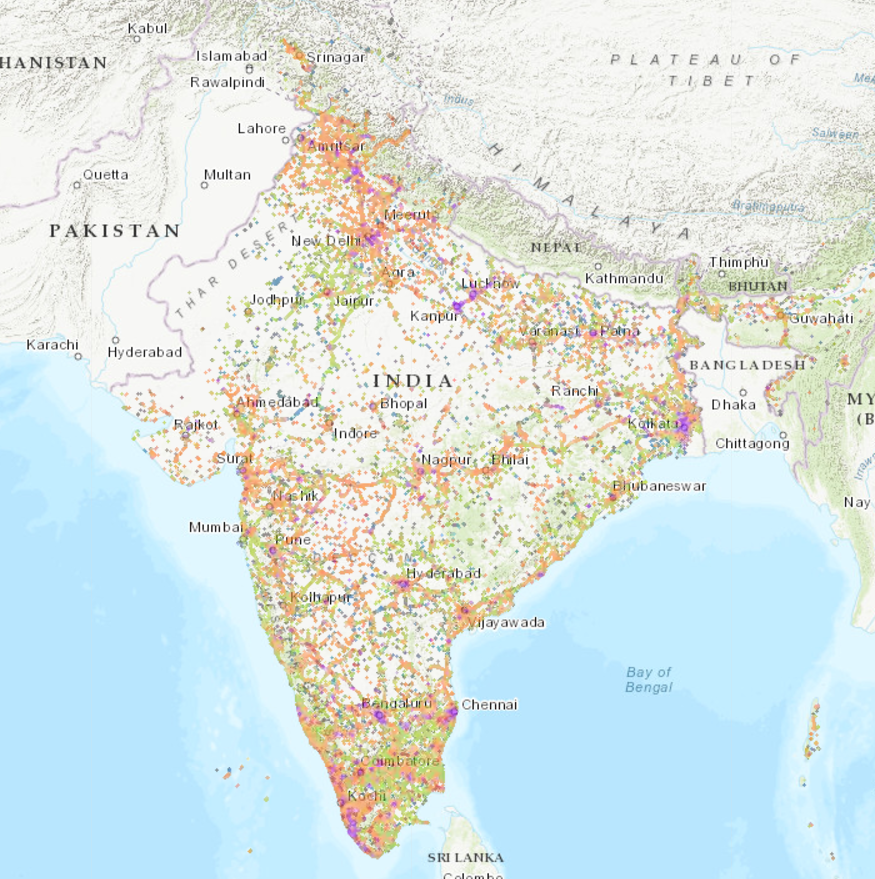
BSNL’s 4G rollout in India is steadily gaining momentum, with a focus on expanding coverage across various regions. While the deployment is well underway, the coverage remains uneven, particularly in rural and semi-urban areas. The network primarily operates on the 700 MHz and 2100 MHz bands, each offering distinct advantages and challenges.
The 700 MHz band is recognized for its superior penetration and wider reach, making it ideal for urban environments where users require consistent connectivity. In contrast, the 2100 MHz band, although providing faster data speeds, often struggles with limited coverage and signal strength, particularly in less densely populated regions.
Cities like Kolkata, Delhi, Mumbai, and Bangalore are witnessing a more robust 4G presence, with users enjoying improved speeds and connectivity. However, in rural areas, many BSNL customers still rely on 3G services as the 4G rollout continues to expand. This discrepancy highlights the ongoing challenges BSNL faces in bridging the connectivity gap between urban and rural India.

BSNL 4G SIM Procurement Experience
Acquiring a BSNL 5G SIM card can be an adventure in itself. My journey began at the local exchange, where I was eager to secure my new SIM. However, I was met with disappointment as they had run out of SIM cards. Undeterred, I decided to explore the local market.
I eventually found a shop that had BSNL SIM cards in stock, and I promptly purchased one. The activation process was surprisingly quick; within 10 to 15 minutes, my new SIM was ready for use. However, upon inserting the SIM into my phone, I encountered a frustrating issue—there was no network signal.
Despite my initial optimism, I waited for about an hour, hoping the network would kick in. After restarting my phone without success, I took matters into my own hands by manually searching for the network. To my relief, my device finally registered on the BSNL network.
I considered going through the tele-verification process at this point but decided to turn on my mobile data instead. Much to my surprise, data connectivity started working immediately, and I was also able to make calls without any hiccups. This unexpected turn of events turned my procurement experience from a rocky start to a satisfying conclusion. Overall, while the journey had its bumps, the end result of enjoying BSNL’s 4G services made it worth the effort.
4G VoLTE Activation via SMS
For BSNL sim users eager to experience 4G, activation is straightforward. BSNL offers a simple sim-swap. However, it’s worth noting that VoLTE (Voice over LTE), which provides high-definition voice calls over 4G, might require an additional step.
To activate 4G, users can send an SMS to a designated number – 53733. Once the request is processed, the bsnl sim should latch onto the 4G network and VoLTE should get activated, if available in the area. BSNL’s website and customer support are helpful resources for detailed activation instructions and any troubleshooting required.
The straightforward activation process makes it easy for users to switch to BSNL 4G and experience faster internet speeds, making it a strong contender against private telecom companies.

BSNL Selfcare App: A Fresh Take on Customer Convenience
BSNL, the pioneer in Indian telecom, has recently revamped its BSNL Selfcare App, bringing a wave of user-friendly updates and improved functionality. Whether you’re managing prepaid plans, tracking postpaid usage, or exploring broadband options, the app now makes the process simpler and more efficient than ever.
What’s New?
The refreshed BSNL Selfcare App is designed to provide a seamless and intuitive user experience. Here’s a glance at its latest features:
Sleek UI/UX: The app boasts a modern, clutter-free interface, ensuring easy navigation for all users, whether tech-savvy or not.
Unified Dashboard: Manage multiple BSNL services, including mobile, broadband, and FTTH connections, all from a single dashboard.
Enhanced Recharge Options: Effortlessly recharge your account with updated plan details and instant payment integrations like UPI, net banking, and wallets.
Real-time Support: A revamped support section with ticketing system ensures prompt resolution to all queries.
Data Usage Insights: Track your data and call usage with detailed insights, helping you stay on top of your plans.
Secure Access: The app now incorporates enhanced biometric authentication, offering top-notch security.


Why Upgrade?
BSNL’s refreshed app isn’t just a facelift—it’s a reflection of the brand’s commitment to aligning with modern-day connectivity needs. It’s an effort to bridge the gap between legacy systems and contemporary expectations, ensuring customers enjoy the convenience they deserve.
Whether you’re a long-time BSNL user or new to their services, this update is a clear indication that BSNL is stepping up its digital game. The app is now available for download or update on the Google Play Store and Apple App Store.
Final Thoughts
BSNL’s renewed focus on enhancing customer satisfaction is evident in this app refresh. It’s a welcome move for users who value convenience and functionality. So, if you haven’t already, give the updated BSNL Selfcare App a try and experience the difference for yourself.
Got feedback on the app? Share your thoughts in the comments below! 👇
Comparison of 700 MHz and 2100 MHz Bands
The choice between the 700 MHz and 2100 MHz bands significantly impacts the BSNL 4G experience. Here’s a breakdown:
700 MHz Band: Offers wider network coverage, better penetration through obstacles, and improved indoor signal. However, it generally provides slower download and upload speeds.
2100 MHz Band: Provides faster download speed and upload speed but suffers from weaker penetration and limited network coverage.
The 700 MHz band is generally better for users in remote areas or those seeking stable connections, even if it means slightly slower speeds. Urban users who prioritize speed might favor the 2100 MHz band, but they might face network coverage limitations.

Spectrum Holding of BSNL in 2024
LSA | CAT | 600MHz (FDD) | 700MHz (FDD) | 900MHz (FDD) | 1800Mhz (FDD) | 2100Mhz (FDD) | 2500Mhz (TDD) | 3300Mhz (TDD) | 26GHz (TDD) |
Andhra Pradesh & Telangana | C | 10 | 10 | 5.6 | 5 | 40 | 400 | ||
Assam | C | 10 | 10 | 5 | 5 | 20 | 40 | 400 | |
Bihar | C | 10 | 10 | 5 | 5 | 20 | 40 | 400 | |
Delhi | M | 10 | 10 | 5 | 5 | 40 | 400 | ||
Gujarat | A | 10 | 10 | 5 | 5 | 40 | 400 | ||
Haryana | B | 10 | 10 | 5.6 | 5 | 20 | 40 | 400 | |
Himachal Pradesh | C | 10 | 10 | 5.6 | 5 | 20 | 40 | 400 | |
Jammu & Kashmir | C | 10 | 10 | 5 | 5 | 20 | 40 | 400 | |
Karnataka | A | 10 | 10 | 5.6 | 5 | 40 | 400 | ||
Kerala | C | 10 | 10 | 6.2 | 2 | 5 | 20 | 40 | 400 |
Kolkata | M | 10 | 10 | 5 | 5 | 40 | 400 | ||
Madhya Pradesh | B | 10 | 10 | 5 | 5 | 20 | 40 | 400 | |
Maharashtra & Goa | A | 10 | 10 | 5 | 5 | 40 | 400 | ||
Mumbai | M | 10 | 10 | 5 | 5 | 40 | 400 | ||
North East | C | 10 | 10 | 5 | 5 | 20 | 40 | 400 | |
Odisha | C | 10 | 10 | 5.6 | 2 | 5 | 20 | 40 | 400 |
Punjab | B | 10 | 10 | 5 | 5 | 20 | 40 | 400 | |
Rajasthan | B | 10 | 10 | 5.6 | 5 | 20 | 40 | 400 | |
Tamil Nadu | A | 10 | 10 | 5.6 | 5 | 40 | 400 | ||
Uttar Pradesh East | B | 10 | 10 | 5 | 5 | 20 | 40 | 400 | |
Uttar Pradesh West | B | 10 | 10 | 5 | 5 | 20 | 40 | 400 | |
West Bengal | B | 10 | 10 | 5.6 | 5 | 20 | 40 | 400 |
Block Sizes are in MHz
NOTE: Currently, BSNL is using 2100MHz and 700MHz bands for 4G services. It is expected that BSNL will launch its 5g services on the 3300MHz and 600MHz bands in the near future.
Here’s a table based on the given frequency ranges used by BSNL corresponding them with common 2G/3G/LTE/5G band numbers:
Band Frequency (MHz) | Band Number |
600 MHz | Band 71 |
700 MHz | Bands 28 |
900 MHz | Bands 8 |
1800 MHz | Band 3 |
2100 MHz | Bands 1 |
2500 MHz | Band 41 |
3300 MHz | Band 78 |
26 GHz | Band 258 |
Performance Analysis of BSNL 4G
A user-generated speed test posted on Reddit, conducted in Delhi using the nPerf app, revealed interesting insights into BSNL 4G performance. Conducted in Kolkata, the test involved downloading and uploading files of various sizes to a Chennai-based server, simulating real-world usage patterns.
While BSNL shows promise, extensive real-world testing is crucial to provide a comprehensive performance analysis. The impact of factors like network congestion, device capability, and signal strength needs further evaluation.
BSNL 4G Speed vs others: A comparison in terms of speed
When it comes to 4G speeds, BSNL has been making strides to catch up with its competitors like Airtel, Jio, and Vi. In recent tests, BSNL’s 4G speeds have shown significant improvement, putting it on par with other major players in the market. While Airtel and Jio have long been known for their fast speeds, BSNL has been able to close the gap and provide competitive speeds for its users. Vi, on the other hand, has also been working on improving its 4G speeds to stay relevant in the market. Overall, BSNL’s 4G speeds are now almost comparable to Airtel, Jio, and Vi, giving users more options when it comes to choosing a reliable network provider.
Speed Test Results on the 700 MHz Band vs 2100 MHz Band
The speed test, conducted by users of the Ookla’s Speedtest app on their smartphone, aimed to reflect real conditions by downloading and uploading files of varying sizes multiple times, with the precision of the GPS geolocation signal aiding in measurement accuracy, including factors such as latency. The results highlight the strengths and weaknesses of BSNL 4G internet performance on the 700MHz band.
Download speeds were decent, exceeding those offered by some competitors in certain instances. However, a significant disparity was observed between download and upload speeds, with the latter falling short of expectations.
This discrepancy underscores the need for BSNL to address the upload speed bottleneck. While faster downloads benefit activities like streaming and browsing, faster uploads are critical for video calls, online gaming, and cloud storage, impacting the overall user experience.


Impact of Bandwidth Differences on Performance
A mobile network’s performance, especially regarding download and upload speeds, is heavily influenced by the bandwidth it operates on. In simpler terms, bandwidth is like a highway – the wider it is, the more data can flow freely.
BSNL primarily utilizes the 700 MHz band, known for its wider reach and ability to penetrate walls and obstacles. This makes it particularly advantageous in providing coverage to poor signal coverage areas. However, the trade-off is that lower bandwidths like 700 MHz typically support lower speeds compared to higher ones like 2100 MHz.
This explains why BSNL might show slower internet speeds in speed tests compared to competitors operating on higher bandwidths. The choice of prioritizing wider coverage over raw speed is a strategic one, making BSNL a practical choice for areas where consistent network availability outweighs the need for blazing-fast speeds.


Comparing BSNL 4G Plans with Competitors
BSNL is known for its budget-friendly mobile recharge plans, and its 4G offerings are no different. With a focus on affordability, BSNL’s plans often undercut competitors’ prices, especially in long-term plans.
How do these BSNL recharge plans stack up against offerings from Airtel, Jio, and Vi? Let’s examine the cost-effectiveness of these plans and explore the included benefits while considering limitations.
BSNL Plans as of December 2024
Here is a simplified and easy to understand table for the BSNL prepaid plans (NOT applicable to North East, J & K & Assam LSA):
Plan | Price (₹) | Validity (Days) | Voice | Data | SMS | Special Benefits |
Plan-107 | 107 | 35 | 200 Minutes (On-net) | 3 GB | Nil | PRBT |
FRC-108 | 108 | 28 | Unlimited (Local/STD/Roaming) | 1 GB/day (40 Kbps after limit) | 100 SMS/day | Nil |
Plan-153 | 153 | 26 | Unlimited (Local/STD/Roaming) | 26 GB (40 Kbps after limit) | 100 SMS/day | Hardy Games, Challenger Arena, Gameium, Zing Music, Podcasts |
Plan-197 | 197 | 70 | Unlimited (Local/STD/Roaming) | 2 GB/day (40 Kbps after limit) | 100 SMS/day | Nil |
Plan-199 | 199 | 30 | Unlimited (Local/STD/Roaming) | 2 GB/day (40 Kbps after limit) | 100 SMS/day | Hardy Games, Zing Music, Podcasts |
Plan-229 | 229 | 1 Month | Unlimited (Local/STD/Roaming) | 2 GB/day (40 Kbps after limit) | 100 SMS/day | Bundled Challenges Arena Gaming Service |
FRC-249 | 249 | 45 | Unlimited (Local/STD/Roaming) | 2 GB/day (40 Kbps after limit) | 100 SMS/day | Nil |
Plan-397 | 397 | 150 | Unlimited (Local/STD/Roaming) | 2 GB/day (40 Kbps after limit) | 100 SMS/day | Nil |
Plan-666 | 666 | 105 | Unlimited (Local/STD/Roaming) | 2 GB/day (40 Kbps after limit) | 100 SMS/day | PRBT |
Plan-699 | 699 | 130 | Unlimited (Local/STD/Roaming) | 0.5 GB/day (40 Kbps after limit) | 100 SMS/day | Nil |
Plan-797 | 797 | 300 | Unlimited (Local/STD/Roaming) | 2 GB/day (40 Kbps after limit) | 100 SMS/day | Hardy Games, Zing Music, Podcasts |
Plan-897 | 897 | 180 | Unlimited (Local/STD/Roaming) | 2 GB/day (40 Kbps after limit) | 100 SMS/day | PRBT |
Plan-997 | 997 | 160 | Unlimited (Local/STD/Roaming) | 3 GB/day (40 Kbps after limit) | 100 SMS/day | Nil |
Plan-999 | 999 | 200 | Unlimited (Local/STD/Roaming) | 600 GB (40 Kbps after limit) | 100 SMS/day | Hardy Games, Zing Music, Podcasts |
Plan-1198 | 1198 | 336 | Unlimited (Local/STD/Roaming) | 3 GB/day (40 Kbps after limit) | 100 SMS/day | Nil |
Plan-1499 | 1499 | 365 | Unlimited (Local/STD/Roaming) | 24 GB | 30 SMS/month | Hardy Games, Zing Music, Podcasts |
Plan-1999 | 1999 | 395 | Unlimited (Local/STD/Roaming) | 3 GB/day (40 Kbps after limit) | 100 SMS/day | Hardy Games, Zing Music, Podcasts |
Plan-2399 | 2399 | 365 | Unlimited (Local/STD/Roaming) | 600 GB (40 Kbps after limit) | 100 SMS/day | Nil |
Plan-2999 | 2999 | 365 | Unlimited (Local/STD/Roaming) | 3 GB/day (40 Kbps after limit) | 100 SMS/day | Nil |
North East, J & K & Assam LSA Plans:
Plan | Price (₹) | Validity (Days) | Voice | Data | SMS | Special Benefits |
Per Second | 36 | 90 | NIL | NIL | NIL | Bundled Top-up of ₹70 with talk-value of ₹100 (for new connection) |
Per Minute | 37 | 90 | 20 minutes/day free to 2 BSNL numbers in Home LSA or National Roaming | NIL | NIL | NIL |
Jai Jawan | 99 | 30 | 2700 seconds each for on-net and off-net | 10 MB | NIL | Bundled Top-up: ₹577 = ₹577 talk value + 1 GB for 30 days, ₹377 = ₹377 talk value + 300 MB for 20 days |
RTP-FR Plan | 91 | 90 | 900 seconds each for on-net and off-net | NIL | NIL | NIL |
Freedom Plan | 136 | 90 | NIL | NIL | NIL | Bundled Top-up of ₹100 with ₹103 talk value |
Plan 153 | 153 | 90 | NIL | NIL | NIL | Challenges Arena Gaming Service on Progressive Web App |
Plan 186 | 186 | 90 | Unlimited (on-net/off-net in Home LSA) | Unlimited (speed reduced to 40 Kbps after 5 GB) | 1000 for first 28 days | NIL |
Plan 229 | 229 | 30 | Unlimited (on-net/off-net in Home LSA and National Roaming, including Mumbai and Delhi) | Unlimited (speed reduced to 80 Kbps after 2 GB/day) | NIL | NIL |
Digital India Plan | 429 | 90 | Unlimited (on-net/off-net in Home LSA and National Roaming, except Mumbai/Delhi) | Unlimited (speed reduced to 80 Kbps after 1 GB/day) | NIL | Bundled Top-up of ₹70 with talk-value of ₹100 (for new connection) |
BSNL SIXER | 666 | 90 | Unlimited (on-net/off-net in Home LSA and National Roaming, except Mumbai/Delhi) | Unlimited (speed reduced to 80 Kbps after 2 GB/day) | NIL | NIL |
Notes:
Benefits like free data and SMS are applicable in the home circle and during national roaming, including MTNL areas in Delhi and Mumbai.
Excess usage beyond limits will be charged at applicable rates.
Plans are intended for personal use; misuse may result in discontinuation.
Validity Extension available through the respective plan vouchers.
Free voice and data benefits must be consumed within 30 days of activation unless specified otherwise.
Plans include bundled top-ups with talk value and sometimes free data.
Digital India and BSNL SIXER plans offer extended validity and bundled usage benefits.
Some plans are not applicable for J&K and are exclusive of service tax.
Cost-Effectiveness of BSNL Plans Versus Airtel, Jio, and Vi
When considering BSNL recharge plans, cost-effectiveness is a significant factor for users. Compared to Airtel mobile, Jio mobile, and Vi mobile, BSNL plans often provide more data for less money, making them an attractive option for budget-conscious consumers in Jaipur.
For instance, BSNL’s long-term plans, such as those offering 84GB or more data, often come at a lower price point than similar plans from other providers. This makes them ideal for heavy data users who want to get the most value for their money.
However, while BSNL excels in affordability, potential customers must weigh this against factors like network coverage and potential speed limitations. The overall value proposition of BSNL’s cost-effective plans depends on individual usage patterns and priorities.
Plan Details | BSNL ₹347 | Jio ₹349 | Airtel ₹349 | VI ₹349 |
Data/Day | 2GB | 2GB | 1.5GB | 2.5GB |
Calls | Unlimited | Unlimited | Unlimited | Unlimited |
SMS/Day | 100 | 100 | 100 | 100 |
Validity | 50 Days | 28 Days | 28 Days | 28 Days |
Extra Benefits | N/A | Unlimited 5G, Gemini Pro | Unlimited 5G (FUP), Xstream Play Premium | Unlimited 5G (FUP), Weekend Data Rollover, Half-day unlimited, 2GB/Month Backup Data |
Analysis of Plan Benefits and Limitations
BSNL’s mobile recharge plans often come bundled with benefits that enhance their appeal. These can include unlimited calling, access to streaming services, and bonus data. However, certain limitations must be considered.
One significant advantage of BSNL’s plans is their validity period. Many plans offer extended validity, reducing the need for frequent recharges. Additionally, some plans bundle free voice calls even when roaming, a valuable perk for frequent travelers.
However, it’s important to note that the availability and specifics of these plan benefits might vary depending on the circle and chosen plan. Additionally, as BSNL catches up in the deployment of new technology like VoLTE, the lack of such features might be a deciding factor for some users.
Cons of BSNL 4G
While BSNL’s 4G services offer many advantages, there are several drawbacks that potential users should consider before making the switch.
Random Data Disconnections: Users have reported frequent and random disconnections while using BSNL’s 4G network. This can lead to frustrating interruptions during browsing, streaming, or any online activity, diminishing the overall user experience.
Emergency Call No Signal Issues: There have been instances where users faced difficulties making emergency calls due to signal issues. This is particularly concerning as reliable connectivity during emergencies is crucial.
Challenges in Latching onto 700 MHz: Although the 700 MHz band generally offers better speed and coverage in many areas compared to the 2100 MHz band, some users find it challenging to connect to the 700 MHz network. This can result in inconsistent service and missed opportunities for higher-speed internet access.
Calling and SMS Sending Issues: Even with the availability of VoLTE, users have experienced problems with voice calls and SMS. There have been reports of dropped calls and delayed text messages, which can be particularly frustrating for customers relying on these services for communication.
Variable Performance Based on Location: The performance of BSNL 4G can significantly vary by location. While urban areas may enjoy decent speeds and coverage, rural users often encounter slower data rates and coverage gaps, limiting the effectiveness of the service.
These issues highlight that while BSNL is making strides in its 4G rollout, there are still significant hurdles to overcome to ensure a consistently reliable experience for all users.

The Future of BSNL: From 4G to 5G
BSNL’s future hinges on its ability to establish a strong 4G foundation and rapidly transition towards 5G. While playing catch-up to private telecom companies, recent developments suggest a forward-looking approach.
Government initiatives and collaborations with technology providers, including a Bengaluru-based approach, are crucial for BSNL to gain a competitive edge. The success of their 5G launch will be instrumental in shaping the future of BSNL and its position in the Indian telecom market.

Expected Improvements and Expansion Plans
A key focus for BSNL is bridging the urban-rural digital divide. By expanding its 4G footprint in rural areas, BSNL aims to provide reliable internet access to a wider population while ensuring Airtel Mobile mobile networks coverage becomes a valuable comparison for users in Ahmedabad. This will open up opportunities for education, healthcare, and economic growth in these communities.
A key focus for BSNL is bridging the urban-rural digital divide. By expanding its 4G footprint in rural areas, BSNL aims to provide reliable internet access to a wider population while ensuring Airtel Mobile mobile networks coverage becomes a valuable comparison for users. This will open up opportunities for education, healthcare, and economic growth in these communities.
How will the launch of BSNL’s 4G/5G impact the overall telecom landscape in India?
The launch of BSNL’s 4G/5G is expected to bring about a significant shift in India’s telecom sector. It will likely introduce more competitive pricing, improved network speeds, and enhanced services, ultimately pressuring other providers to enhance their offerings to stay relevant in the market.
Furthermore, BSNL’s expansion plans encompass not only 4G but also a roadmap for 5G deployment. While still in its early stages, a successful 5G rollout could be a game-changer for BSNL, positioning it as a competitor in the future of mobile communication.
Anticipated Impact of 5G Launch on Market Dynamics
BSNL’s 5G launch holds the potential to disrupt the Indian telecom market, challenging established private telecom companies. It could lead to increased competition, ultimately benefiting consumers through better pricing and service offerings.
Feature | Potential Impact |
Pricing | Increased competition may lead to more affordable 5G plans across mobile operators. |
Network Expansion | BSNL’s expansion efforts could accelerate, driving wider 5G coverage, especially in rural areas. |
Innovation | The need to stay competitive might foster innovation, resulting in the development of new services and technologies. |
However, the actual impact depends on various factors, including the timing of BSNL’s 5G launch, the efficacy of its network rollout, and its ability to provide compelling 5G services that attract and retain customers.
Can BSNL Reclaim Its Former Glory?
The landscape of telecommunications in India has undergone significant transformation over the past decade, with private players emerging as dominant forces. BSNL, once a household name and leader in mobile connectivity, now faces intense competition from operators like Jio, Airtel, and Vi. As BSNL launches its 4G services whereas the other operators have launched 5G services a few years back, the burning question is: can it compete effectively with these giants and stage a comeback reminiscent of its pre-2010 golden days?
Embracing Its Legacy
BSNL’s historical significance in the Indian telecom market provides a strong foundation for its revival. Back in the early 2000s, BSNL was revered for its widespread coverage and reliability, especially in rural areas where private networks were scarce. This legacy is a crucial aspect that BSNL can leverage to reconnect with its existing customer base and attract new users, particularly in underserved regions.
Modernizing Service Offerings
To carve out a competitive edge, BSNL must modernize its service offerings to meet the expectations of today’s consumers, who prioritize high-speed internet and uninterrupted connectivity. The launch of 4G services is a commendable step, but it must be coupled with rapid expansion, 5G launch, affordable data plans, improved customer service, and innovative value-added services. Emphasizing user experience will be essential for BSNL to regain market share and enhance customer loyalty.
Harnessing Government Support
The backing of the Indian government presents a unique advantage for BSNL. This support could facilitate network expansions and technological upgrades, allowing BSNL to enhance its infrastructure. With initiatives aimed at improving digital connectivity in rural areas, BSNL is in a prime position to fulfill this governmental mission while simultaneously rebuilding its reputation.
Facing Challenges Head-On
Despite the potential for a comeback, BSNL faces considerable challenges that must be addressed to compete successfully. The rapid pace of technological advancement and the aggressive marketing strategies of private players pose significant hurdles. Additionally, improving operational efficiency and service reliability will be crucial for BSNL to win back customer trust.
A Realistic Vision for the Future
While the road to reclaiming its former glory is fraught with obstacles, BSNL possesses the necessary elements for a successful resurgence. By leveraging its extensive rural network, modernizing its service offerings, and capitalizing on government support, BSNL can reignite interest in its brand. If it can effectively address the challenges ahead and embrace innovation, BSNL might just reclaim a prominent position in the Indian telecom market, reminiscent of its golden days before 2010.
Conclusion
My experience with BSNL’s 4G services has been a mixed bag. Acquiring the SIM card proved to be a bit tricky; I initially went to the local exchange, only to find they had run out of SIMs. Fortunately, I was able to find a BSNL SIM at a local shop, which made the process manageable.
Once connected, the 4G speeds have been impressive, especially on the 700 MHz band, delivering a strong and reliable experience. However, I found the service much less dependable on the 2100 MHz band, where connections were unstable. VoLTE, while a promising feature, has shown inconsistency, with periodic internet disconnections and signal drops requiring me to reboot my device to restore connectivity.
Given these challenges, I currently wouldn’t recommend porting a primary number to BSNL at this time. However, I am seeing progress, and if BSNL continues to improve its services, I believe it can drastically enhance its competitive edge against private telecom operators in the near future. With a bit of patience and optimism, I am hopeful for a brighter future for BSNL’s 4G offerings.
Frequently Asked Questions
How to Activate BSNL 4G VoLTE?
To activate bsnl 4g and VoLTE on your bsnl sim, send an SMS with the text “VOLTE” to 53733. You’ll receive a confirmation message with further instructions.
Why Does the 700 MHz Band Perform Better?
The 700 mhz band may not offer the fastest download speed or upload speed, but excels in providing wider network coverage and better signal penetration, enhancing overall performance in challenging areas.
Are BSNL Plans Really Cheaper Than Competitors?
BSNL plans are generally recognized for their cost-effectiveness, often undercutting competitors like Reliance Jio, Airtel, and Vi in terms of price for similar data and call allowances.
What Makes the 2100 MHz Band Less Effective?
While offering higher bandwidth and potentially faster speeds, the 2100 mhz band’s limited signal penetration can result in weaker mobile network coverage, making it less effective in specific areas.
When is BSNL 5G Expected to Launch?
While a confirmed launch date remains fluid, the deployment of bsnl 5g is anticipated within the coming years, promising to further impact the Indian telecom market with newer technology and competitive offerings.


Comments